Posts

Winter Moving Tips

Winter Move

Pro Tips for Moving and storing

The trailer or back of the truck typically isn’t the warmest place on a cold day and definitely not ideal for your fragile items or electronics. The transition from a warm to a cold environment can cause things to break. If you are going to move or store anything fragile or any electronics, be sure they are well wrapped in something that is going to keep them from breaking and offer some insulation

Here are some other dos and don’t for moving in the cold:

Do Protect Items from the Cold
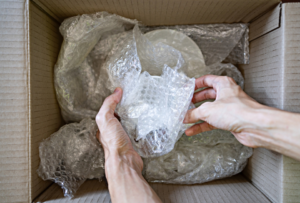
Packing with bubble wrap

Protect your stored items with bubble wrap

Extreme temperatures can make certain items more susceptible to damage. Make sure to use extra wrapping, bubble wrap, thick towels or blankets to protect breakable items and electronics. Remember that containers with liquids can freeze so avoid putting them in the back of the moving truck or into a storage unit. Things like electronics are fine being stored cold as long as you let them cool down and warm up gradually. Consider taking these items with you in the cab of the vehicle to ensure they arrive safely. Check out our YouTube video on packing up breakable dishware.

Do Chose Cardboard Boxes Over Plastic Totes

Everyone loves plastic totes, but there are some drawbacks to using them especially during colder months. Plastic becomes slippery and brittle in the cold making it more susceptible to sliding and falling. And when it hits the ground, it breaks. Cardboard on the other hand has insulating properties for your breakables and its surface doesn’t change during cold weather. This makes it a safer choice for stacking and storing your belongings during the winter.


Do Seal Your Boxes with Packing Tape Instead of Masking Tape

Some adhesives get brittle and lose their stickiness in the cold and this is especially true of masking tape. Packing tape once applied to the box won’t release when it gets cold so you don’t have to worry about the box breaking open.

Don’t Pack at the Last Minute

Leaving packing and cleaning to the last minute can make the moving day more chaotic for everyone involved. The sooner you can get things organized, the easier and faster it will be on the moving day. A good declutter before packing starts will be a big help to know what you really want to pack and unpack. We have a little video on decluttering a closet on our YouTube channel.

Do Make Sure Walkways are Clear of Ice and Snow

Shoveling snow

Clearing sidewalks before a move

We make sure that our yards and the entry way to all storage units is free and clear of ice and snow for your safety. You should do the same at home before you start removing boxes from your home. It hurts to slip and fall, never mind having a box land on top of you.

Don’t Move in the Dark

Night comes early during the Canadian winter and moving in the dark can be unsafe for you and your belongings. Try to work out your schedule so you are moving earlier in the day while it’s still light outside. Please also keep in mind that while our yards are lit at night the insides of storage units are not.

Have a safe move and make sure to bring something warm to drink. If you need to warm up you are welcome to stop by the office. We have someone onsite during the day Monday to Friday.

Costume Storage


Storing a costume

Costume Storage

Once the costume party or that cosplay event is over how do you store your costume? The $100 costumes you can just hang up or put in a box, others are a work of art that cost thousands of dollars. If you have put time and money into this specialty wear, consider storing it so it will continue to look great and last for years to come.

Get the most out of your costumes with these care and storage tips:

  • Never store a dirty costume. Whether you danced the night away or roamed the halls of a convention center cosplay event the oils from your skin have been absorbed by your costume. These oils will break down material. Follow the costume’s cleaning instructions. No instructions? Then, hand washing or using a professional cleaning service is best. Some costumes can be laundered in a washing machine, but only on the gentle/delicate cycle with a gentle laundry soap and a small amount of liquid fabric softener. Always hang dry a costume. The heat from a dryer will damage delicate fabrics. It’s important that the costume be completely dry before storing it away. Mold and mildew can destroy a costume in a few weeks and also make it unsafe to wear.

    Washing by hand

    Handwash


  • Consider storing the costume in the original package. If you don’t have this package, avoid storing costumes in plastic bags or bins. Certain kinds of plastic have acids that can ruin fabrics. Many manufacturers now make acid-free plastic containers. Wedding dress boxes and acid free garment bags are an example of this. You can purchase acid-free containers through stores like Amazon and some big-box stores like Walmart.
Costume additions

Elaborate Costumes

  • Accessories such as masks, hats, boots, purses and props will require proper support so they don’t lose shape. Again, the original packaging can be helpful in storing these items. You can also fill the hollows of these items with acid free paper to help them keep shape and limit deterioration.
  • Once you have taken proper care of the costume you can consider placing it in storage if you do not have a safe space for it.

If you have an amazing costume that you have taken the time and money to put together it’s worth storing properly so your next costumed event has great memories like the one you just went to.

First Time Storage Tips


Storage unit and hidden shackle lock

First Time Storage Tips

At some point, you or a family member experience an event where self-storage offers a solution. Whether it’s a move, a renovation, or a death in the family if you’ve never rented a storage unit here are some insider tips to help things go smoothly.

First, determine what size storage unit you need. The quickest way is to inventory what you are storing and use a storage size calculator. This tool can be found on a storage company’s website and can save you the headache of choosing the wrong sized storage unit.

Once you know the size you need check storage prices. Keep in mind that the price given isn’t always the final price. Some storage businesses require a damage or gate fob deposit, or charge admin or service fees.

Now that you have determined the storage facility and a unit size, be prepared for some paperwork. Just like renting a car, or a home, storage rentals require a contract. To keep this as painless as possible have the following information ready:

– Photo ID.

– Your contact information (current address where you receive your mail, your cellphone number and an email address.

– Name an alternate contact for your account (with phone number) in case you can’t be reached for any reason.

– If you are storing a vehicle you will have to show the current registration as proof of ownership.

Before you sign the rental agreement make sure you understand it. You don’t want to find yourself in breach of this legally binding contract, just because you didn’t read it. That’s a little like telling a police officer that pulled you over for speeding that you didn’t see the speed limit sign.

The storage contract will contain things like how much and when rent is due, additional charges, storage rules (what you can and can’t store and acceptable or unacceptable activities in the storage facility), insurance requirements, and the repercussions if you fail to pay rent.

While these contracts can seem daunting a good storage company will have this document written in plain language and have trained staff that should willingly offer to explain it to you.

Pro Tip:

A storage facility’s insurance never covers a renter’s possessions. This is because the insurance company has no way of verifying the value of these possessions. As a homeowner or renter, you may already have content insurance that will cover belongings in storage. Always inquire with your insurance company to ensure items in storage would be covered.

Pro Tip:

When you are talking to storage staff about the contract, also ask if someone is onsite in case you need help while in the facility, what the office hours are and what yard access hours will be.

Once you understand the storage contract, and your questions have all been answered, sign the agreement and then you are ready for the final step, packing your belongings into the storage unit.

Pro Tip:

Before you reach the yard with your belongings, learn how to access the storage facility and your unit. Whether you received a fob, or access code test for facility, make sure it works and check to see if you can get into your storage unit.

Pro Tip:

Your community or the community you are moving to, can be a great source of information as well. Check out local social media sites that will answer questions regarding the involvement of a Storage office in their own local area. For Lacombe we suggest checking out Lacombes community page.

Now you can get down to the business of loading your storage unit. For tips on how to maximize your space check out our blog on how to pack a storage unit.