Covered RV Storage Pros and Cons
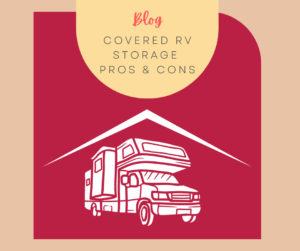
Covered RV storage
Covered RV Storage Pros and Cons
When you hit the open road, an RV can be a fulfilling investment, but when you aren’t out enjoying
nature, you need to consider how to protect and store your prized possession.
Do you opt for covered storage where your RV will be safe from the elements? Or do you choose
outdoor storage, where you can save on storage costs? It’s a tough decision and one that requires
consideration. Here’s a look at the pros and cons of using covered RV storage.
The Pros
Protection from the Environment
Many RV owners consider protecting their unit from moisture and hail, but according to Red Seal RV
Parts Technician Billy Buffin, RV owners need to first consider the damage caused by UV rays. “Both summer and winter UV rays weaken plastic, rubber and vinyl which makes your RV susceptible to moisture and hail. “I’ve seen vent and AC covers crack during light hailstorms that they are designed to withstand all because sun damage made them brittle. I’ve also seen awnings disintegrate after a couple years and tires crack in 5 years because of sun damage.” Billy also cautions that skylights are also made of plastic and after prolonged UV exposure become more susceptible to damage.
Reduced Maintenance Cost
The cost of covered RV may be more than offset by maintenance costs that result from prolonged UV exposure and severe weather.
Higher Resale Value
The rising cost of new RVs has also resulted in the rising cost of used RVs that are in good condition. An RV that has been sheltered when it’s not in use will get top dollar because it doesn’t have sun fade or
worn damaged parts.

Road trip
Cons
Higher Cost
Indoor storage facilities are generally more expensive than outdoor storage options. The added benefits
and protection come at a premium, making it more expensive. Lacombe Storage’s rates for covered RV
start at $180/month and we’ve done our best to make sure our covered RV is competitively priced.
More Information About Storing Your RV at Lacombe Storage
Enhanced Security
Our facility includes surveillance cameras, electronically gated access, and onsite management so your
RV is well protected. You don’t have to be as concerned about theft or vandalism.
Easy Access
Tenants can access our RV storage facilities seven days a week from 6 am to 11 pm using their smart
phone. If you need access outside of yard hours, you can talk to our onsite staff about changing your
access privileges.
Flexible Parking Stall Size
Our covered stalls can accommodate up to a 45 foot RV. This is the same for our uncovered RV stalls. Need a pull though site? We have designed our covered RV, so this is possible. Just be aware you will be paying a premium for this feature because you will essentially be using two stalls.
When it comes to the pros and cons of covered vs outdoor storage, take time to determine your priorities. Is cost a concern or are you willing to spend more to keep your RV protected and ready for the
road for years to come.
Have any questions for Billy? You can reach him at gatorrvparts@gmail.com or on Facebook @gatorrvparts
~ Tamara Traub