Posts

Moving or Travel with Pets

Thoughts to consider when traveling with a pet

What to consider when moving with a pet

At our self-storage facility, many of our staff are proud pet owners. It got me thinking—what should we consider when moving with our beloved furry friends or simply taking them out during these scorching summer days?

Preparing for pets is crucial because they need extra care to ensure they’re comfortable and safe, whether moving homes or enjoying a day out. As the temperatures rise, it’s essential to be equipped to keep your dog cool and protected. Here are some essential items to have on hand for your dog this summer:

  • Collapsible water bowl: A lightweight and portable option for keeping your dog hydrated during walks, hikes, or any outdoor activity. Easy to clean and store, ensuring your dog has access to water wherever you go.
  • Water bottle: You won’t always have access to water, so carry a full water bottle for you and your pet.
  • Dog-safe sunscreen: Protect their skin from harmful UV rays, particularly on sensitive areas like noses and ears.
  • Cooling vest or bandana: Helps regulate their body temperature in hot weather, ensuring they stay comfortable.
  • Paw wax or booties: Shields their paws from hot pavements and rough terrain, preventing discomfort or burns.
  • First aid kit: Include essentials such as bandages, pet-safe antiseptic wipes, and tweezers for any minor injuries or emergencies that may occur during your adventures.

Having these items ready ensures your furry friend stays happy and healthy throughout all your summer outings. Most of these items can be picked up at your local pet store.

Additionally, when near bodies of water, like rivers or lakes, it’s crucial to check for blue green algae before letting you pet into the water. This algae sits on top of the water and is seriously toxic to both you and your pets. If it’s safe to let them swim be sure to check your pet’s ears for any debris that could have gotten lodged during their cooldown.

Where do you prefer to take your pets to cool down?

~ Roberta Gordica

~ Sue Sage


Ways To Save On Self Storage

Save Money on Self Storage

How To Save On Self Storage

Maximize Savings this March with Lacombe Storage Center


Are you tired of cluttered spaces? Seeking a secure, hassle free solution to store your belongings? Look no further! At Lacombe Storage Center (LSC), we’re dedicated to providing you with top-notch storage solutions that not only meet your needs but also save you money.


  1. Our Payment System Is Simple To Understand

March into savings with our monthly billing! Unlike our competition that bills on a 4 week cycle, meaning you make 13 payments a year, we offer one monthly payment.  That extra payment might seem small, but it adds to the annual cost of your storage.


  1. Transparent Pricing

At LSC there are no hidden fees and unexpected charges! At LSC, we believe in transparent pricing. That means no damage deposit, no insurance charges, no gate fob fees or sneaky additional costs. Avoid financial surprises and make it easy on your budget by storing with us.


  1. Flexible Ways To Pay

You can pay online, in person or over the phone. We accept debit/credit cards and e-transfers. We can also set you up on auto pay so you avoid late fees.


  1. Rent Just The Right Amount Of Space

Don’t pay for space you don’t need. Use our online storage calculator to determine just the right amount of space to store your belongings.


  1. Flexible Move-Out options

Life is unpredictable, and plans can change at a moment’s notice. That’s why LSC offers the same-day notice to move out. Whether you need short-term storage or long-term storage, our flexible move out option caters to your changing needs.


  1. Refer a New Client To Us and We’ll Pay You!

Refer friends and family to us and we’ll apply a $50 credit toward your account with us, or pay you cash. Don’t need the cash or credit? We’ll donate $50 to your favorite charity.

Family saving money

Ways to save on self storage


Make the smart choice this March with  for LSC all your storage needs. Experience savings, security, and convenience like never before!


Ready to declutter your space and save money? Contact us today to reserve your storage unit and embark on a journey towards a clutter-free life! If life is taking you in a new direction, we may be able to help with our other offices Drayton Valley Storage and Medicine Hat Storage.

~ Gillian Sumpay

The Month of Love

Welcome to the month of love, where self-care takes center stage! This February, we’re redefining self-care beyond face masks and meditation. It’s time to show some love to the most overlooked aspect of your life—your space. At Lacombe Storage (LSC), we’re all about helping you love your space and prioritize your peace of mind. Let’s dive into how our storage solutions can revolutionize your self-care routine.

Embrace Change with Confidence: Whether you’re embracing a new chapter in life or decluttering for clarity, with LSC by your side change can become your superpower. Our secure storage units provide a haven for your belongings giving you the confidence to embrace change head-on.

Stress Less, Live More: Say goodbye to stress and hello to serenity with LSC. Our hassle-free storage solutions take the headache out of organizing your personal space, leaving you with more time to do what you love. From convenient online booking and rent payment to our cellphone activated gate, we’ve thought of everything so you can stress less and live more.

Share the Love: As you experience the freedom and peace of mind that comes with our services, don’t keep it to yourself. Share your LSC journey on social media, refer a friend, or leave us a glowing review. Together, we can raise awareness about the unsung self-care solution.

https://www.freepik.com/free-vector/self-love-sticker-set_33812619.htm#page=2&query=self%20care&position=2&from_view=search&track=ais&uuid=672968fb-e7c3-4c0f-b5ed-ca48f151cb46

~ Gillian Sumpay

Covered RV Storage Pros and Cons

Camper under a canopy

Covered RV storage

Covered RV Storage Pros and Cons
When you hit the open road, an RV can be a fulfilling investment, but when you aren’t out enjoying
nature, you need to consider how to protect and store your prized possession.
Do you opt for covered storage where your RV will be safe from the elements? Or do you choose
outdoor storage, where you can save on storage costs? It’s a tough decision and one that requires
consideration. Here’s a look at the pros and cons of using covered RV storage.

The Pros
Protection from the Environment
Many RV owners consider protecting their unit from moisture and hail, but according to Red Seal RV
Parts Technician Billy Buffin,  RV owners need to first consider the damage caused by UV rays. “Both summer and winter UV rays weaken plastic, rubber and vinyl which makes your RV susceptible to moisture and hail. “I’ve seen vent and AC covers crack during light hailstorms that they are designed to withstand all because sun damage made them brittle. I’ve also seen awnings disintegrate after a couple years and tires crack in 5 years because of sun damage.” Billy also cautions that skylights are also made of plastic and after prolonged UV exposure become more susceptible to damage.

Reduced Maintenance Cost
The cost of covered RV may be more than offset by maintenance costs that result from prolonged UV exposure and severe weather.

Higher Resale Value
The rising cost of new RVs has also resulted in the rising cost of used RVs that are in good condition. An RV that has been sheltered when it’s not in use will get top dollar because it doesn’t have sun fade or
worn damaged parts.

Road trip

Cons
Higher Cost
Indoor storage facilities are generally more expensive than outdoor storage options. The added benefits
and protection come at a premium, making it more expensive. Lacombe Storage’s rates for covered RV
start at $180/month and we’ve done our best to make sure our covered RV is competitively priced.

More Information About Storing Your RV at Lacombe Storage

Enhanced Security
Our facility includes surveillance cameras, electronically gated access, and onsite management so your
RV is well protected. You don’t have to be as concerned about theft or vandalism.

Easy Access
Tenants can access our RV storage facilities seven days a week from 6 am to 11 pm using their smart
phone. If you need access outside of yard hours, you can talk to our onsite staff about changing your
access privileges.

Flexible Parking Stall Size
Our covered stalls can accommodate up to a 45 foot RV. This is the same for our uncovered RV stalls. Need a pull though site? We have designed our covered RV, so this is possible. Just be aware you will be paying a premium for this feature because you will essentially be using two stalls.
When it comes to the pros and cons of covered vs outdoor storage, take time to determine your priorities. Is cost a concern or are you willing to spend more to keep your RV protected and ready for the
road for years to come.


Have any questions for Billy? You can reach him at gatorrvparts@gmail.com or on Facebook @gatorrvparts 

~ Tamara Traub

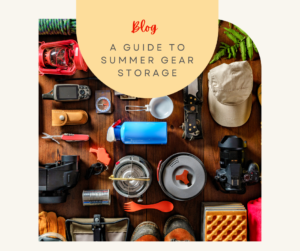
A Guide To Summer Gear Storage

Storing Summer Gear

A Guide to Summer Gear Storage

As the sun-soaked days of summer fade on the horizon, they leave behind the simple joy of outdoor
pursuits, from pedaling along scenic trails, to setting up camp, or gliding gracefully atop shimmering
waters—summer gifts us with a multitude of cherished experiences.
Whether you are a biker, camper, or paddler, summer gives us great pleasure. All these wonderful
activities lead to an accumulation of outdoor gear. What is your plan for storing it during the off-season?
In this guide, we delve into preserving these cherished adventures—cleaning, organizing, and storing
your summer gear. It’s a journey that involves not just safeguarding your possessions but also ensuring
that the magic of summer continues for years to come.

Summer Gear Storage Tips:
1. Clean Your Equipment
After every summer adventure, it’s essential to clean your equipment thoroughly. Use warm water and
mild soap to cleanse your gear, including tents and sleeping bags. Removing any dirt and ensuring
they are completely dry before storage is vital, particularly for preventing mold and mildew.
2. Choose the Right Storage Containers
Long-term storage of tents and sleeping bags should be in breathable mesh bags or cotton bags like old
pillowcases. Loosely fold these items for long-term storage instead of tightly rolling them. This allows
airflow, preventing mold and mildew growth. Remember, compressing a sleeping bag for extended
periods can damage its fill.
3. Organize Smaller Items
Store smaller items like flashlights, matches, eating utensils, plates, cookware, and more in clear storage
containers. This way, you can easily identify and access them when needed.
4. Organize Water Gear
Choose a large container to hold wetsuits, life jackets, water shoes, and other water gear. This ensures
they are kept together and protected during the off-season.
5. Follow Manufacturer Recommendations for Watercraft Storage
Store paddle boards, canoes and kayaks indoors so the winter weather will not degrade fiberglass,
plastic, fabric or specially-coated wood hulls.

Pro Tip: keep a checklist stored with your equipment so you don’t forget anything for your camping
trips. Your list should include all items you will typically want to bring along.
Many of our clients store their summer gear in the garage or a spare closet so they can quickly pack up
the car for a weekend getaway. But if these items are filling your halls and other living spaces self
storage is an option that comes in many sizes to accommodate these items in the colder months.
Call us now at Lacombe Storage where we prioritize your storage needs —  1-855-795-8584

How To Store In Dusty Climates


Dusty Climates and Storage

How To Store In Dusty Climates

In Alberta we live in one of the driest climates on earth and a dry climate means dust — it’s in our homes
and inevitably it finds its way into our storage units. This year is particularly bad because of ash in the air
from the forest fires. No matter how well sealed a home or storage unit may seem, air circulation means
ash and dust will find its way in.
But this doesn’t mean you can’t protect your belongings from this hazard. With some planning and
protection, furniture items like couches, chairs, and tables can safely be kept in a storage unit.
If it’s wood furnishings you are storing, think carefully — if the item is made of delicate tropical wood or
it’s an antique then it’s best to store it somewhere with climate control. Old wood and tropical woods
are highly susceptible to cracking, warping, splitting, and breaking in extreme temperatures. The rule of
thumb is if it would be challenging and expensive to repair, find someplace with a consistent
temperature to store them. Once you have your delicate wood furnishings in a climate-controlled
environment place dust covers over them to minimize the amount of cleaning these items will require
when brought out of storage.
What’s the best way to store upholstered items? While this type of furniture doesn’t need climate
control for storage it is particularly susceptible to damage from ash and dust. Proper furniture covers
like sofa and chair covers are preferable but plastic dust covers also work. These covers can be
purchased for little cost and provide good protection for your belongings. Place one dust cover on the
floor to protect furniture legs from moisture. Then, cover the furniture with another dust cover.
Depending on the size of your dust cover you may need more than one to cover all furnishings,
particularly larger pieces like sofas, tall shelving units, or entertainment units.
These simple steps give furnishings some protection from ash and dust in the air as well as any potential
moisture leaching up through flooring or coming in under a door.

As our climate is becoming more volatile, it is best to follow your local town/city office or Environment Canada  keep up to date in the event of severe weather changes.

Should You Store Jewelry and Other Valuables in Self Storage?

Do not store valuables in self storage

Self-storage is great for household items and non-perishable business stock and equipment, but resist the
temptation to store valuables like jewelry in your unit. Self-storage isn’t a substitute for a vault or safety
deposit box. While self-storage facilities do have security, no security system is completely impervious to
professional thieves. Further your insurance and that of the self-storage operator may not cover valuable
jewelry left in a self-storage unit.

Also consider that jewelry and other collectables often require a special environment to help maintain
their condition. Jewelry, for example, is delicate and needs to be stored where the temperature does not
fluctuate. Temperature fluctuations can cause jewelry to become brittle and warp.

Self storage facilities are also not impervious to things like fires, flooding and tornadoes that can damage
irreplaceable valuables. Safety deposit boxes, however, are designed to withstand these natural disasters.
For these reasons, you are better off keeping jewelry and other collectables in a fire proof safe or safety
deposit box.

Keep valuables in a bank box not a storage unit

At the very least store your jewelry in a secure location that is climate-controlled and can
provide protection against theft, pests, moisture, and other environmental hazards.
Pro Tip for storing jewelry: pack your jewelry in its original boxes or other soft containers to protect
them from scratches so these valuable retain their value for years to come.

If you are interested in other self storage tips and activities, give us a follow on LinkedIn

Pro Tips for Spring Cleaning

Pro Tips for Spring Cleaning

Pro Tips for Spring Cleaning

Spring Cleaning on Your Mind?

But Where to Start?

Experts say spring cleaning has several benefits — a clean home can improve your health and make you
happier. But were to start? Decluttering is the first step, but can be a daunting task. Here are a few
decluttering tricks from the staff at Lacombe Storage to help you get started.
1) Start by decluttering small spaces like a drawer or cabinet and as you gain confidence tackle
bigger spaces.
2) Set yourself up for success by tidying your home slowly in short, manageable spurts. For
example, aim to spend 20 minutes cleaning each day instead of doing it for an entire day or over
a weekend.
3) Honor your natural pace by cleaning as you go about your day. This can look like doing the
dishes immediately after cooking dinner or decluttering your closet while you put away your
laundry.
Do you have a sentimental attachment to items? As such, the thought of decluttering
your possessions may feel overwhelming. Here are some tricks to help you come to terms
with letting go of some belongings:

Spring is in the air

Tips for spring cleaning

1) Try the one in, one out rule. This principle is simple yet surprisingly effective: For every new item
you bring into your home, something you already own must go.
2) Use the inverted decluttering technique coined by author Gretchen Rubin in her book “Outer
Order, Inner Calm.” Instead of focusing on items you want to keep, identify the worst or least
useful things you own. You’ll find clarity and satisfaction in singling out what no longer serves
you.
3) Take a cue from author Emily Ley and ask yourself if an item is the best, favourite or necessary.
This will encourage you to ditch duplicates, hold on to the necessities, and appreciate the
fabulous stuff you already own.
4) Ask yourself if your possessions spark joy. Popularized by Japanese decluttering expert Marie
Kondo this strategy will help you evaluate whether to keep an item or get rid of it based on how
it makes you feel.
5) Use a cut-and-dry trick like the “90/90” rule. Coined by Joshua Fields Millburn and Ryan
Nicodemus of The Minimalists, with this rule you to ask yourself two questions: Have you used it
in the past 90 days? If not, will you use it in the next 90 days? If you answer “no” to both
questions, it’s time to let it go – gift it, donate it, or throw it out.
What tip works to get you started on a decluttering or cleaning spree? Share those tips on our Facebook
Page

Winter Moving Tips

Winter Move

Pro Tips for Moving and storing

The trailer or back of the truck typically isn’t the warmest place on a cold day and definitely not ideal for your fragile items or electronics. The transition from a warm to a cold environment can cause things to break. If you are going to move or store anything fragile or any electronics, be sure they are well wrapped in something that is going to keep them from breaking and offer some insulation

Here are some other dos and don’t for moving in the cold:

Do Protect Items from the Cold

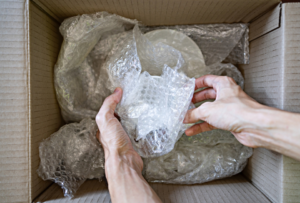
Packing with bubble wrap

Protect your stored items with bubble wrap

Extreme temperatures can make certain items more susceptible to damage. Make sure to use extra wrapping, bubble wrap, thick towels or blankets to protect breakable items and electronics. Remember that containers with liquids can freeze so avoid putting them in the back of the moving truck or into a storage unit. Things like electronics are fine being stored cold as long as you let them cool down and warm up gradually. Consider taking these items with you in the cab of the vehicle to ensure they arrive safely. Check out our YouTube video on packing up breakable dishware.

Do Chose Cardboard Boxes Over Plastic Totes

Everyone loves plastic totes, but there are some drawbacks to using them especially during colder months. Plastic becomes slippery and brittle in the cold making it more susceptible to sliding and falling. And when it hits the ground, it breaks. Cardboard on the other hand has insulating properties for your breakables and its surface doesn’t change during cold weather. This makes it a safer choice for stacking and storing your belongings during the winter.


Do Seal Your Boxes with Packing Tape Instead of Masking Tape

Some adhesives get brittle and lose their stickiness in the cold and this is especially true of masking tape. Packing tape once applied to the box won’t release when it gets cold so you don’t have to worry about the box breaking open.

Don’t Pack at the Last Minute

Leaving packing and cleaning to the last minute can make the moving day more chaotic for everyone involved. The sooner you can get things organized, the easier and faster it will be on the moving day. A good declutter before packing starts will be a big help to know what you really want to pack and unpack. We have a little video on decluttering a closet on our YouTube channel.

Do Make Sure Walkways are Clear of Ice and Snow

Shoveling snow

Clearing sidewalks before a move

We make sure that our yards and the entry way to all storage units is free and clear of ice and snow for your safety. You should do the same at home before you start removing boxes from your home. It hurts to slip and fall, never mind having a box land on top of you.

Don’t Move in the Dark

Night comes early during the Canadian winter and moving in the dark can be unsafe for you and your belongings. Try to work out your schedule so you are moving earlier in the day while it’s still light outside. Please also keep in mind that while our yards are lit at night the insides of storage units are not.

Have a safe move and make sure to bring something warm to drink. If you need to warm up you are welcome to stop by the office. We have someone onsite during the day Monday to Friday.

Should You Store It?

Can you store it?

Should You Store It?

Whether your storage is in a basement, an attic, a garage or a storage unit don’t fill it with things you don’t really want or need. While we’re not going to tackle cleaning out your storage here (a topic for another day), ask yourself these questions before packing things away.

1) Do you need it? This sounds like a simple enough question, but how each of us answers this is highly individual. If you are making an effort to cut back on clutter, try to get real about what “need” means. Defining what is important to you is the first step to efficient storage.

2) Does it work? Don’t let your storage space become the place where broken things go to die! Stop telling yourself, “I’ll fix it one of these days”. If you don’t care enough about the item in question to get it fixed right away, it’s probably not worth keeping.

Broken Watch

Broken Watch

3) Is it clean? Storing clothing and other textile items without having them cleaned first can spell trouble. Moths and other critters are attracted to the dirt on textiles. And body oils will cause fabric to break down over time. Your best defense is to put only clean items into storage. Tools and outdoor equipment, including patio furniture, should also be cleaned before storing to avoid deterioration.

4) Is it yours? It’s amazing how much stuff we can accumulate from others. If you are storing the item in question for a relative or child, consider setting a limit and giving the item back rather than continuing to let it take up valuable storage space.

5) Are you saving it for family? When you save things for family like children or grandchildren, making decisions about what to keep can be a challenge. Often a small amount of carefully chosen and properly stored items can be far more meaningful (and welcome) than an attic’s worth of stuff. Tuck a note about where each piece came from or why it is important to help pass along the stories to the next generation.

6) Will it create a problem if stored? Perishables like food, pet food, plants and potting soils shouldn’t be put into storage as they can create problems by attracting bugs, mice and other pests. Ammunition, chemicals, fertilizers, fireworks and fuels also shouldn’t be stored as they will deteriorate, become unstable and create a fire hazard.

7) Is it irreplaceable? One-of-a-kind items, collectables, jewelry, family photos, and documents like birth certificates and passports should be kept in a safety deposit box or a safe in your home. While storage companies take every precaution to keep things safe and secure break-ins and violent weather can still impact these facilities.

Mona Lisa

Mona Lisa